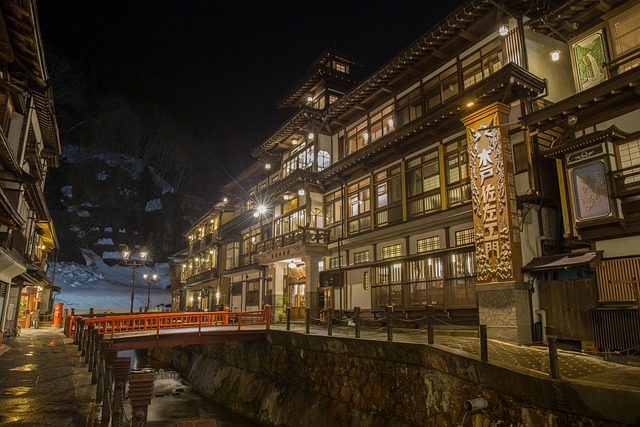
When visiting Japan, choosing the right type of accommodation can make a big difference in your travel experience. Japan offers a wide range of options, from traditional inns to modern hotels and budget-friendly hostels. Understanding the types of lodging, approximate costs, and booking methods will help you plan a comfortable and enjoyable stay.
From luxury hotels to cozy ryokan, Japan has stays for every traveler! 🏨🛏️♨️
1. Hotels
Hotels are the most common choice for international travelers. Japan has a range of hotels from luxury chains to mid-range and business hotels.
- Luxury Hotels:
- Examples: The Ritz-Carlton Tokyo, Park Hyatt Tokyo
- Features: Spacious rooms, high-end amenities, concierge services, often located in major cities or tourist areas
- Approximate cost: 30,000–70,000 JPY per night
- Pros: Comfortable, professional service, convenient locations
- Cons: Expensive, may feel less “local”
- Mid-Range Hotels:
- Examples: APA Hotels, Toyoko Inn, Daiwa Roynet
- Features: Smaller rooms, basic amenities, often include breakfast
- Approximate cost: 8,000–15,000 JPY per night
- Pros: Affordable, clean, often near train stations
- Cons: Rooms can be small by Western standards
- Booking Tips:
- Use platforms like Booking.com, Agoda, or Expedia for English support
- Consider JR or area passes if you are using trains frequently; some hotels offer package deals
2. Ryokan (Traditional Japanese Inns)
For travelers seeking an authentic Japanese experience, staying in a ryokan is highly recommended.
- Features:
- Tatami (straw mat) rooms with futon bedding
- Private or shared baths, often including an onsen (hot spring)
- Traditional Japanese meals (kaiseki) included in many stays
- Approximate cost:
- Budget ryokan: 8,000–12,000 JPY per person per night
- High-end ryokan: 20,000–50,000 JPY per person per night
- Pros: Cultural experience, relaxing, often scenic locations
- Cons: Expensive for luxury options, may be unfamiliar to first-time visitors
- Booking Tips:
- Websites like Rakuten Travel and Jalan.net offer English booking options
- Many ryokan now provide Western-style beds for international guests
3. Guesthouses and Hostels
Budget-conscious travelers or solo travelers often prefer guesthouses or hostels.
- Features:
- Dormitory-style or private rooms
- Shared bathrooms and common areas
- Sometimes run by local families or small businesses
- Approximate cost:
- Dorm bed: 2,500–4,500 JPY per night
- Private room: 5,000–8,000 JPY per night
- Pros: Affordable, social atmosphere, often provide tips for sightseeing
- Cons: Less privacy, shared facilities may feel crowded
- Booking Tips:
- Use Hostelworld, Booking.com, or AirBnB
- Great for meeting other travelers and learning local culture
4. Capsule Hotels
Unique to Japan, capsule hotels offer extremely compact sleeping spaces.
- Features:
- Small capsule-sized rooms with a bed, light, and sometimes a TV
- Shared bathrooms and showers
- Some high-end capsules include pod-style technology or luxury features
- Approximate cost: 3,000–6,000 JPY per night
- Pros: Extremely affordable, convenient for short stays
- Cons: Very small space, not ideal for long-term comfort
- Popular Chains: Nine Hours, First Cabin, Capsule Hotel Anshin Oyado
5. Vacation Rentals / AirBnB
Vacation rentals are becoming increasingly popular in Japan.
- Features:
- Apartments or homes, sometimes entire houses
- Kitchen facilities for self-catering
- Local neighborhoods for a more “lived-in” experience
- Approximate cost:
- Tokyo or major cities: 8,000–15,000 JPY per night for 2 people
- Rural areas: often cheaper, 5,000–10,000 JPY per night
- Pros: Flexibility, local experience, good for families or groups
- Cons: Less standardized service, some areas restrict short-term rentals
- Booking Tips:
- Use AirBnB or Vrbo for English support
- Check reviews carefully for cleanliness and location
6. Tips for International Travelers
- Book Early: Popular destinations like Kyoto, Tokyo, and Nikko can be fully booked during peak seasons (cherry blossom season in spring, autumn leaves in November, and Golden Week in May).
- Check Amenities: Many hotels and ryokan now offer free Wi-Fi, English signage, and international plug adapters.
- Consider Location: Staying near train stations or bus terminals saves travel time.
- Cash vs Card: While most hotels accept credit cards, smaller guesthouses may prefer cash (JPY).
- Seasonal Rates: Prices vary by season; winter and off-peak periods may be cheaper.
Summary Table of Accommodation Types
| Type | Cost per Night | Features | Pros | Cons |
|---|---|---|---|---|
| Luxury Hotel | 30,000–70,000 JPY | Spacious, amenities, concierge | Comfort, service | Expensive |
| Mid-range Hotel | 8,000–15,000 JPY | Small room, basic amenities | Affordable, convenient | Small rooms |
| Ryokan | 8,000–50,000 JPY | Tatami, futon, onsen, meals | Cultural experience | Expensive for luxury |
| Hostel / Guesthouse | 2,500–8,000 JPY | Shared facilities | Social, budget-friendly | Less privacy |
| Capsule Hotel | 3,000–6,000 JPY | Compact pod, shared bath | Very affordable | Very small space |
| Vacation Rental | 5,000–15,000 JPY | Apartment or house, kitchen | Flexibility, local experience | Service varies |
Conclusion
Japan offers a wide variety of accommodations to suit all types of travelers. Whether you are looking for luxury and comfort, a traditional cultural experience, budget-friendly social hostels, or unique capsule hotels, there is something for everyone. Understanding the types, costs, and booking options can help international travelers plan a comfortable and enjoyable trip to Japan.
By choosing the right accommodation for your style, budget, and itinerary, you can enhance your Japanese travel experience—whether it’s relaxing in a hot spring, exploring city streets, or enjoying a peaceful countryside stay.

comment