Japan is a country blessed with extraordinary natural beauty and cultural heritage, offering breathtaking views in every season. From majestic mountains and serene lakes to historic villages and coastal wonders, each region has its own unique scenery that captures the essence of Japan. Whether it’s the iconic silhouette of Mount Fuji, the mystical bamboo forests of Kyoto, or the crystal-clear waters of Okinawa, these landscapes invite travelers to discover the diverse charms of the nation. Exploring Japan’s scenic spots is not only a visual delight but also a journey into its history, traditions, and deep connection with nature.
Hokkaido
✨ Furano, Biei, and Shiretoko showcase the incredible diversity of Hokkaido: colorful flower fields, mystical blue waters, and untouched wilderness.
Furano
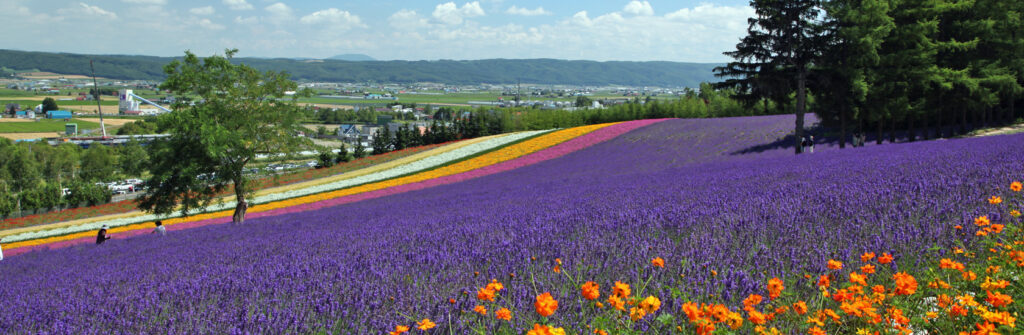
Furano, located in central Hokkaido, is best known for its lavender fields that bloom from mid-July to early August. Farm Tomita is the most famous spot, with vast purple fields and a backdrop of the Tokachi Mountain Range. Beyond lavender, Furano is also a year-round destination: skiing in winter, flower gardens in summer, and fresh local produce such as melons. Its landscapes are colorful and scenic, making it a favorite among photographers.
Blue Pond (Aoiike, Biei)
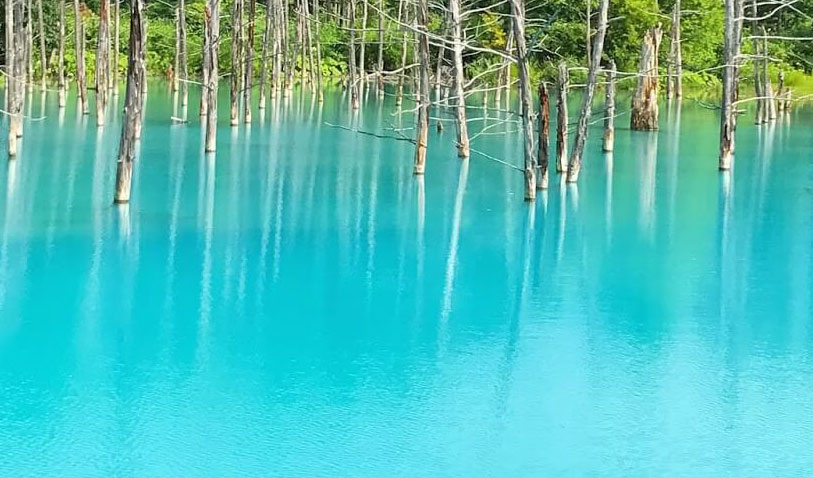
The Blue Pond, located in nearby Biei, is a mysterious man-made pond that has gained fame for its bright blue color caused by natural minerals in the water. Standing trees emerge from the surface, creating an otherworldly, dreamlike scene. The pond looks different depending on weather and light—deep blue on clear days, or softer turquoise tones under clouds. It is especially beautiful in autumn with surrounding foliage and in winter when the pond freezes under snow.
Shiretoko Peninsula
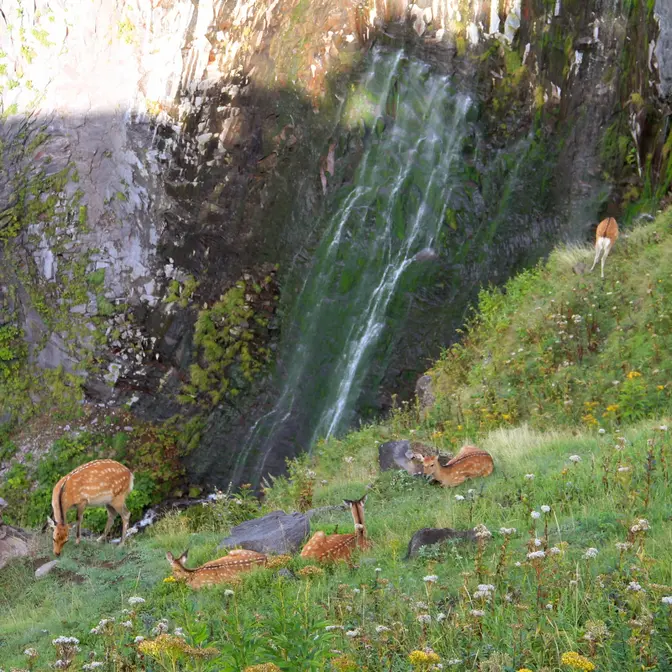
The Shiretoko Peninsula, in eastern Hokkaido, is a UNESCO World Heritage Site known for its untouched wilderness. It is home to diverse wildlife such as brown bears, deer, and rare sea eagles. Highlights include the Shiretoko Five Lakes, accessible by elevated wooden walkways, and Shiretoko Falls, where hot spring water flows directly into the sea. In winter, the coastline is covered with drift ice, which can be explored by boat or on guided walks. Shiretoko is considered one of Japan’s most remote and wildest natural areas.
Tohoku (Northern Honshu)
✨ Oirase Gorge & Lake Towada, Matsushima Bay, and the Zao Snow Monsters—represent some of the most iconic natural sceneries of Tohoku, showcasing its beauty in all four seasons.
Oirase Gorge & Lake Towada (Aomori/Tohoku)
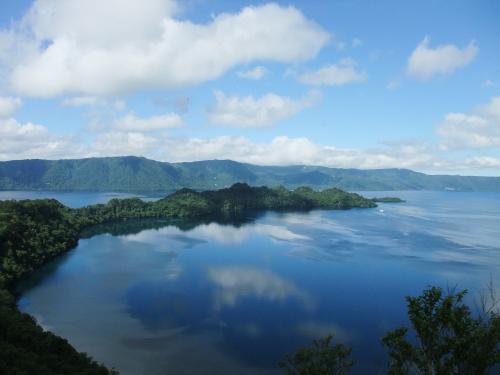
Oirase Gorge is one of Japan’s most beautiful river valleys, stretching about 14 kilometers with crystal-clear streams, waterfalls, and lush forests. It is especially stunning in autumn, when the foliage turns brilliant red and gold. The gorge flows into Lake Towada, a large crater lake formed by volcanic activity. Lake Towada is known for its deep blue color and scenic boat cruises. Together, the gorge and lake create a landscape of pure natural beauty, popular for hiking and photography.
Matsushima Bay (Miyagi)
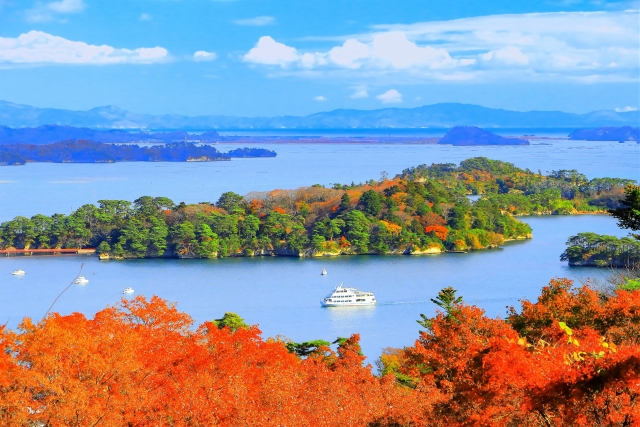
Matsushima Bay is considered one of Japan’s Three Most Scenic Views (Nihon Sankei). The bay is dotted with over 200 small islands covered in pine trees, creating a picturesque landscape admired for centuries. Visitors can enjoy sightseeing cruises, explore Zuiganji Temple, and view the bay from scenic lookout points such as Godaido Hall and Saigyo Modoshi no Matsu Park. The bay is beautiful in every season, but particularly atmospheric during misty mornings and autumn sunsets.
Zao Snow Monsters (Yamagata/Miyagi)
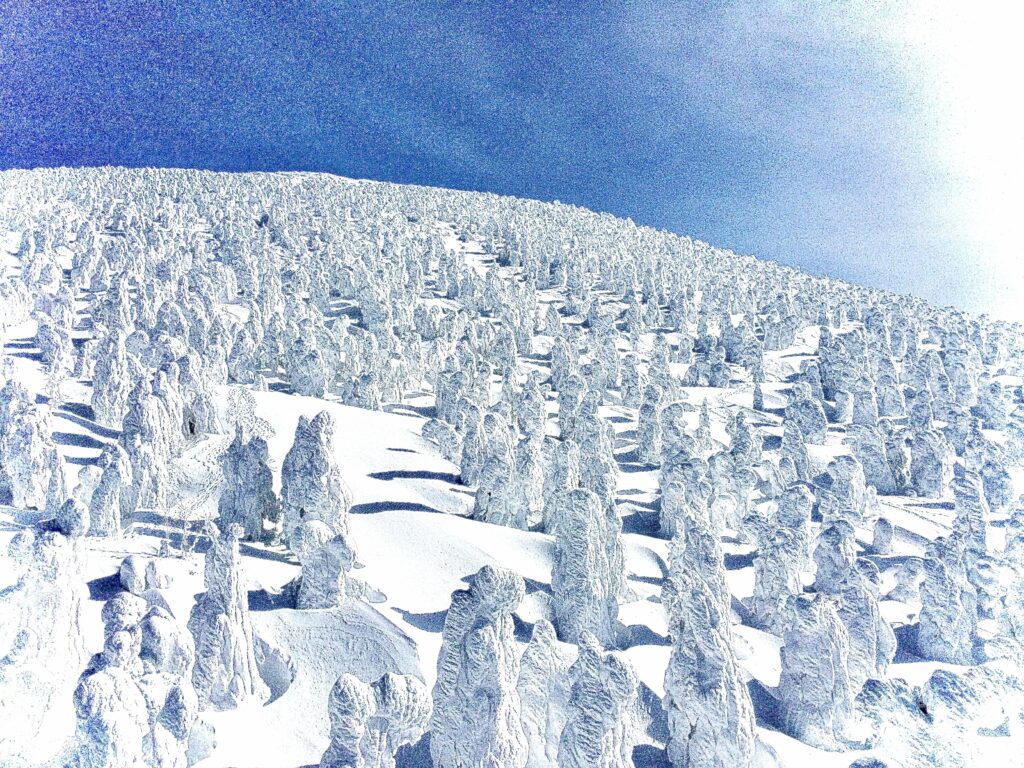
The Zao Mountains are famous in winter for the “snow monsters” (juhyo), a natural phenomenon where trees become covered in heavy snow and ice, creating unique, ghost-like shapes. This phenomenon occurs due to freezing winds and snow from Siberia. The best time to see them is from January to early March, especially at the Zao Onsen Ski Resort. At night, the snow monsters are illuminated, offering a magical winter experience. Visitors can also enjoy hot springs in Zao Onsen after skiing or sightseeing.
Kanto (Tokyo area)
✨ Hitachi Seaside Park and Nikko showcase two very different sides of Japan: colorful seasonal flower landscapes and cultural-historical treasures surrounded by nature.
Hitachi Seaside Park (Ibaraki Prefecture)
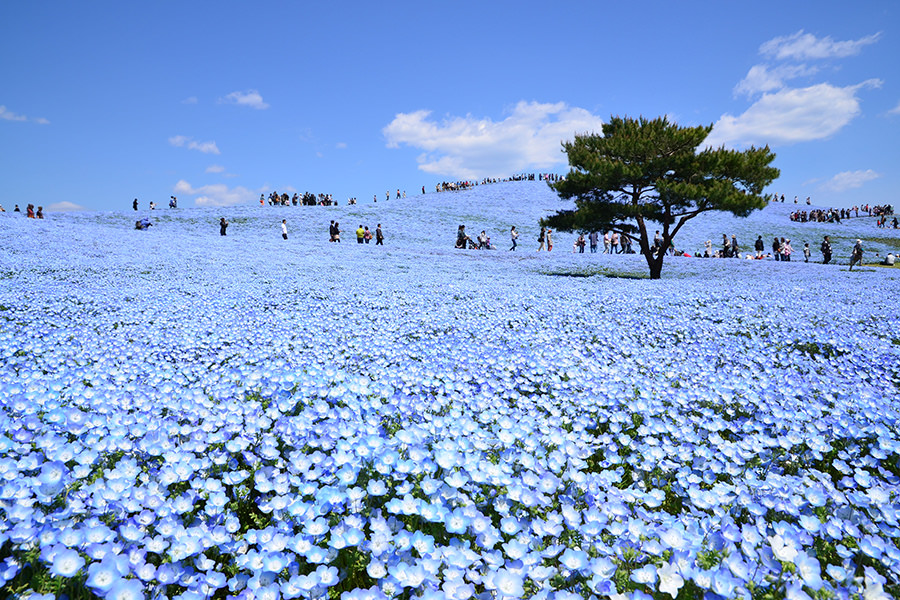
Hitachi Seaside Park, located in Hitachinaka City, Ibaraki, is one of Japan’s most famous flower parks. Its biggest attraction is Miharashi Hill, which transforms with the seasons. In spring (late April–early May), the hill is covered with about 5 million Nemophila (baby blue eyes), creating a stunning blue carpet against the sky. In autumn (October), the same hill is filled with round red Kochia bushes, offering a fiery landscape. The park also features tulips, sunflowers, and cycling paths, making it enjoyable year-round.
Nikko (Tochigi Prefecture)
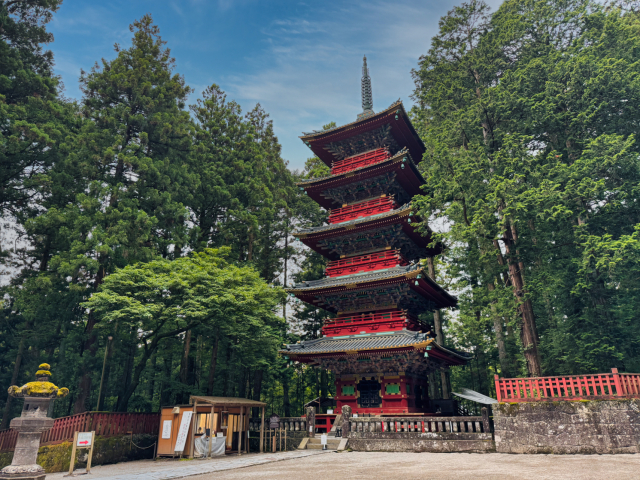
Nikko is a UNESCO World Heritage site, famous for its rich history and natural beauty. The highlight is Nikko Toshogu Shrine, a lavishly decorated complex dedicated to Tokugawa Ieyasu, the founder of the Tokugawa shogunate. Other must-sees include Rinnoji Temple and Futarasan Shrine. Beyond the historical sites, Nikko is surrounded by stunning nature: Kegon Falls, one of Japan’s most famous waterfalls; Lake Chuzenji, a scenic crater lake; and beautiful autumn foliage in the mountains.
Chubu (Central Honshu)
✨ Together, these four destinations show Japan’s diversity: majestic mountains, traditional heritage villages, dramatic natural landscapes, and refined garden design.
Mount Fuji (Shizuoka/Yamanashi Prefectures)
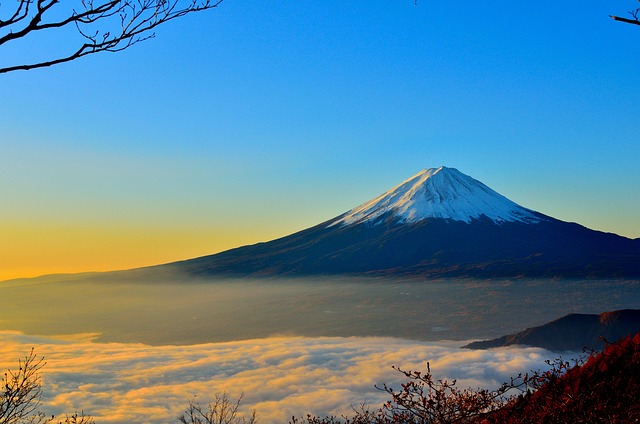
Mount Fuji, Japan’s highest peak at 3,776 meters, is an iconic symbol of the country. Its nearly symmetrical volcanic cone has inspired countless works of art and literature. Visitors can enjoy its beauty from surrounding areas such as the Fuji Five Lakes, Hakone, or even from Tokyo on clear days. During the official climbing season (July–early September), hikers from around the world attempt to reach the summit and watch the sunrise, known as Goraiko.
Shirakawa-go (Gifu Prefecture)
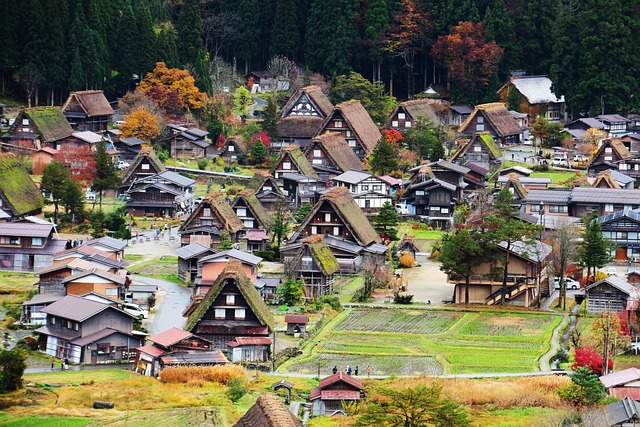
Shirakawa-go is a UNESCO World Heritage site famous for its traditional gassho-zukuri farmhouses, with steep thatched roofs designed to withstand heavy snow. The village looks especially magical in winter when the houses are blanketed in snow and illuminated at night. Visitors can explore preserved farmhouses, stay overnight in a guesthouse, or enjoy seasonal scenery surrounded by mountains and rice fields.
Kurobe Gorge (Toyama Prefecture)
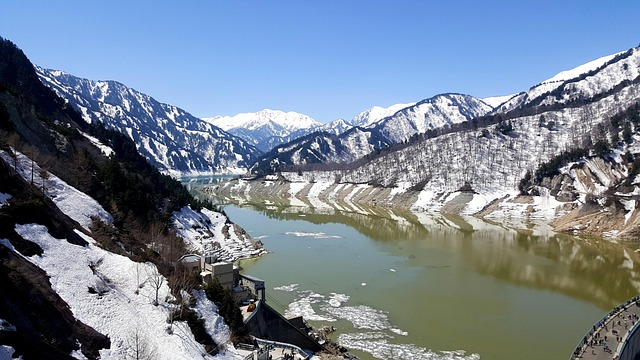
Kurobe Gorge is considered one of Japan’s most scenic gorges, known for its dramatic cliffs, clear rivers, and hot springs. The highlight is the Kurobe Gorge Railway, a sightseeing train that runs along the canyon, offering spectacular views of forests, bridges, and tunnels. The area is especially stunning in autumn, when the valley glows with colorful foliage. Outdoor activities such as hiking and hot spring bathing are also popular.
Kenrokuen Garden (Ishikawa Prefecture)
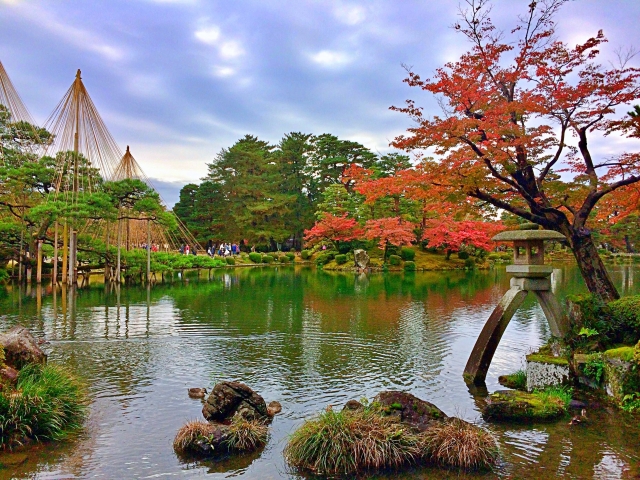
Located in Kanazawa, Kenrokuen is one of Japan’s Three Great Gardens and is celebrated for its seasonal beauty. Designed over centuries by the Maeda clan, it combines the six classic attributes of a perfect garden: spaciousness, seclusion, artifice, antiquity, water, and panoramas. Visitors can enjoy features like the Kasumigaike Pond, stone lanterns, teahouses, and cherry blossoms in spring, irises in summer, autumn foliage, and yukitsuri (snow protection ropes) in winter.
Kansai (Kyoto, Osaka, Nara area)
✨ The mystical bamboo forest of Arashiyama, the historic grandeur of Kiyomizu-dera, and the cultural-natural harmony of Nara Deer Park—together showcase the charm of Kyoto and Nara as the cultural heart of Japan.
Arashiyama Bamboo Grove (Kyoto)
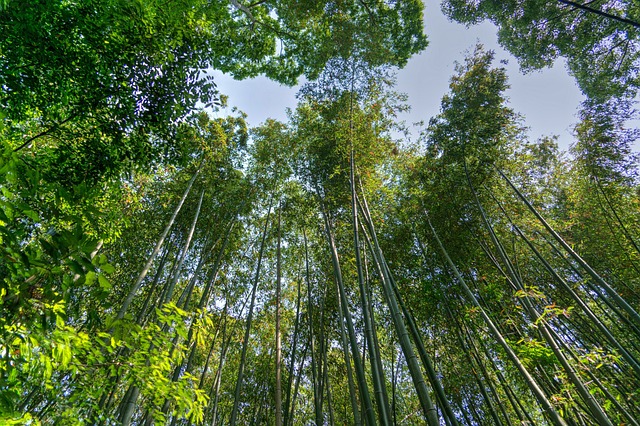
The Arashiyama Bamboo Grove, located on the western outskirts of Kyoto, is one of Japan’s most photographed spots. Walking along the path surrounded by towering bamboo stalks creates an otherworldly atmosphere, especially in the soft morning light. Nearby attractions include the Togetsukyo Bridge, Tenryu-ji Temple (a UNESCO World Heritage Site), and riverside boat rides. Arashiyama is particularly beautiful in spring with cherry blossoms and in autumn with vibrant foliage.
Kiyomizu-dera Temple (Kyoto)
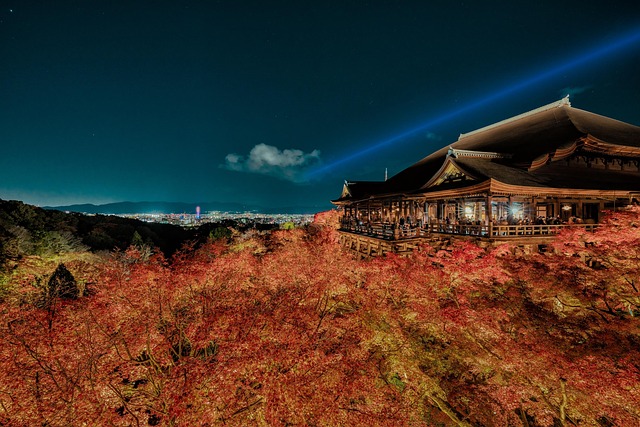
Kiyomizu-dera, founded in 780, is one of Kyoto’s most famous temples and a UNESCO World Heritage Site. It is best known for its wooden stage that juts out from the main hall, offering breathtaking views of the city and surrounding hills. The temple is especially popular in spring during cherry blossom season and in autumn when the maple leaves turn red. The approach to the temple, Sannenzaka and Ninenzaka streets, is lined with traditional shops, tea houses, and souvenir stores.
Nara Deer Park (Nara)
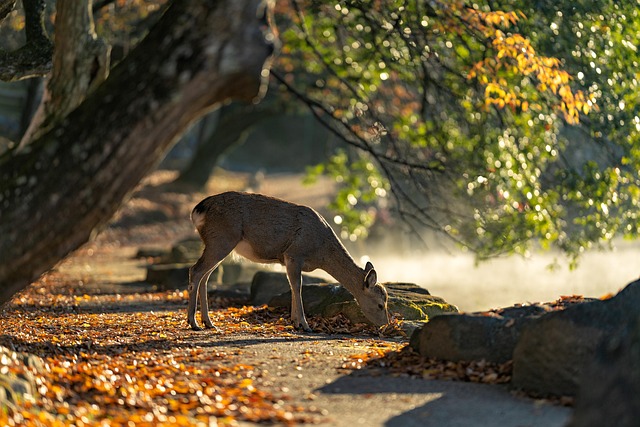
Nara Deer Park is home to more than 1,000 freely roaming deer, considered sacred messengers of the gods in Shinto tradition. Visitors can interact with the deer and even feed them special “deer crackers” (shika senbei). The park also contains important cultural sites such as Todai-ji Temple, housing the Great Buddha (Daibutsu), and Kasuga Taisha Shrine, known for its lanterns. Nara Park is spacious and offers beautiful scenery throughout the year.
Chugoku & Shikoku
✨ These three destinations highlight Japan’s diverse beauty: a spiritual shrine rising from the sea, a rare desert-like landscape, and a breathtaking coastal cycling route.
Itsukushima Shrine (Hiroshima Prefecture)
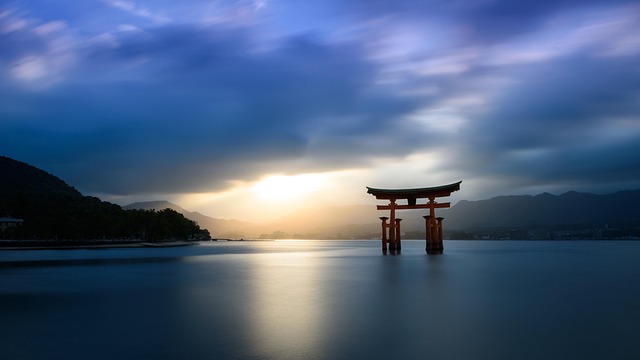
Itsukushima Shrine, located on Miyajima Island near Hiroshima, is one of Japan’s most iconic sights. The shrine is famous for its “floating” torii gate, which appears to rise from the sea during high tide. The complex itself is built over the water on stilts, creating a mystical atmosphere. Itsukushima Shrine is a UNESCO World Heritage Site and beautifully illuminated at night. Beyond the shrine, visitors can hike Mount Misen, encounter friendly deer, and enjoy seasonal festivals.
Tottori Sand Dunes (Tottori Prefecture)
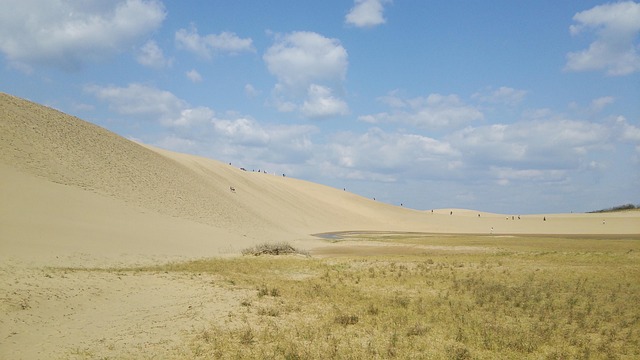
The Tottori Sand Dunes are Japan’s largest sand dunes, stretching along the Sea of Japan coast. Some dunes reach up to 50 meters high and offer stunning desert-like scenery unique in Japan. Visitors can try sandboarding, camel rides, and paragliding, or simply walk across the sweeping landscapes. The nearby Sand Museum displays incredible sculptures made entirely of sand. The dunes change appearance with the light and wind, making every visit different.
Shimanami Kaido (Ehime & Hiroshima Prefectures)
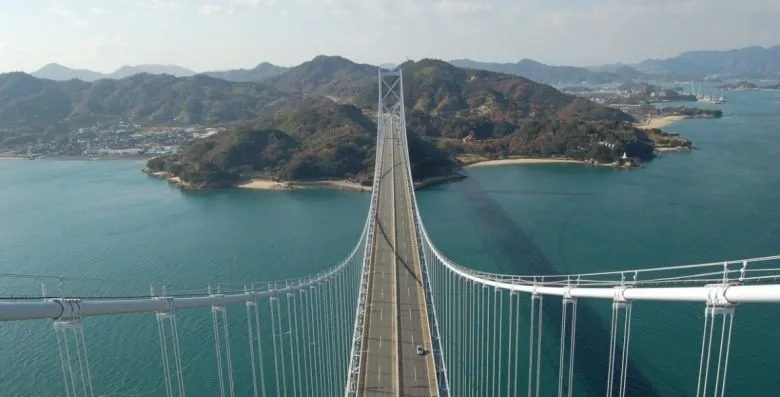
The Shimanami Kaido is a 60-kilometer scenic expressway and cycling route that connects Japan’s main island of Honshu (Hiroshima Prefecture) with Shikoku (Ehime Prefecture), crossing six small islands in the Seto Inland Sea. It is considered one of the most beautiful cycling routes in the world, offering panoramic views of blue waters, suspension bridges, and charming fishing villages. Visitors can rent bicycles and ride all or part of the route, stopping at local cafés, shrines, and viewpoints along the way.
Kyushu
✨ Together, these destinations capture the spirit of Kyushu: the raw power of volcanoes, the mystical beauty of gorges, and the healing charm of hot springs.
Mount Aso (Kumamoto Prefecture)
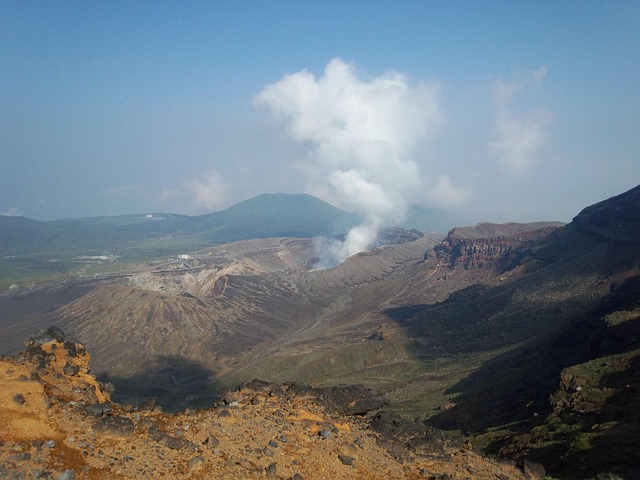
Mount Aso is one of the world’s largest active volcanic calderas, spanning about 25 kilometers in diameter. At its center is Nakadake Crater, which sometimes emits smoke and volcanic gases. The vast caldera also includes grasslands, farmlands, and hot spring villages, offering both dramatic and peaceful scenery. Visitors can enjoy hiking trails, horseback riding, and scenic drives with panoramic views of the volcanic landscape.
Takachiho Gorge (Miyazaki Prefecture)
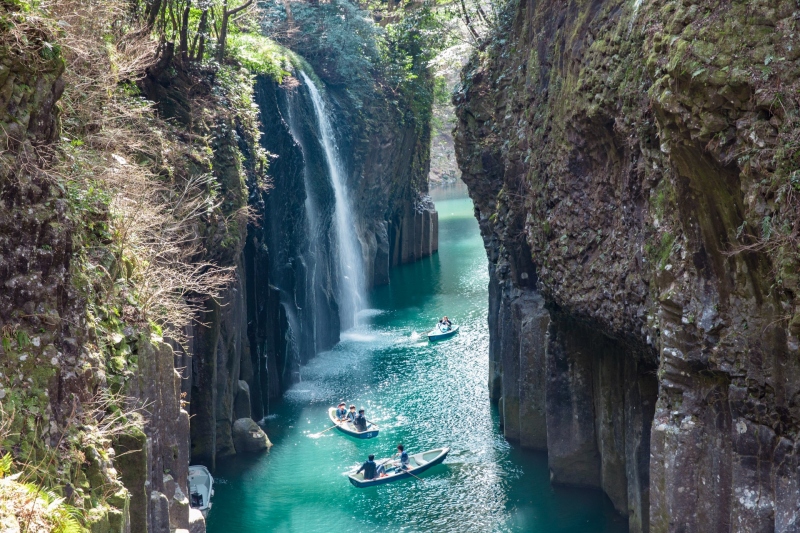
Takachiho Gorge is a narrow canyon carved by the Gokase River, known for its steep cliffs of volcanic basalt. The highlight is Manai Falls, a 17-meter waterfall that cascades into the gorge. Visitors can rent rowboats to paddle along the emerald river beneath the cliffs or walk the riverside trail for stunning views. Takachiho is also deeply connected to Japanese mythology and is home to the Takachiho Shrine, where traditional kagura dances are performed.
Yufuin & Beppu (Oita Prefecture)
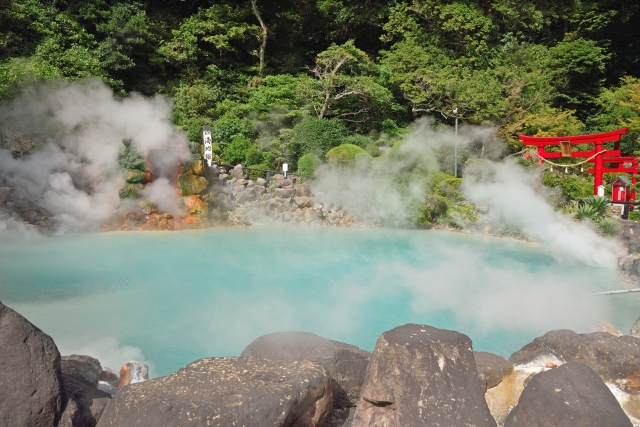
- Yufuin is a charming hot spring town surrounded by mountains, with Mount Yufu as its backdrop. The town is known for its boutique inns (ryokan), art museums, cafés, and a relaxed, scenic atmosphere. Lake Kinrin is a popular spot, especially in the morning when mist rises from its surface.
- Beppu, located nearby, is one of Japan’s most famous hot spring resorts, with the largest variety of hot springs in the country. Visitors can enjoy traditional baths as well as the “Hells of Beppu” (Jigoku Meguri)—a collection of colorful and unique hot spring pools for viewing rather than bathing.
Okinawa
✨ Remote island beauty in Ishigaki, vibrant marine life in the Keramas, and dramatic coastal scenery at Manzamo.
Ishigaki Island (Okinawa Prefecture)
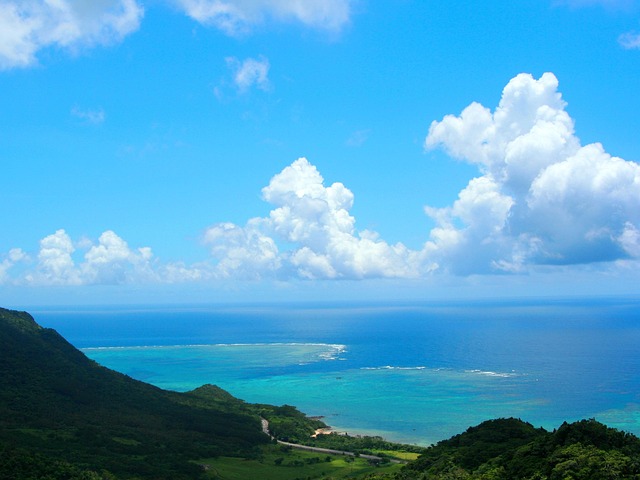
Ishigaki, part of the Yaeyama Islands, is known for its crystal-clear waters, coral reefs, and lush subtropical nature. It is a popular base for exploring nearby islands like Taketomi and Iriomote. The island offers fantastic snorkeling and diving spots, especially around Kabira Bay, which is famous for its emerald-green waters (though swimming is not allowed there). Ishigaki also has a unique local culture, blending Okinawan and Yaeyama traditions, and delicious cuisine such as Ishigaki beef and Yaeyama soba.
Kerama Islands (Okinawa Prefecture)
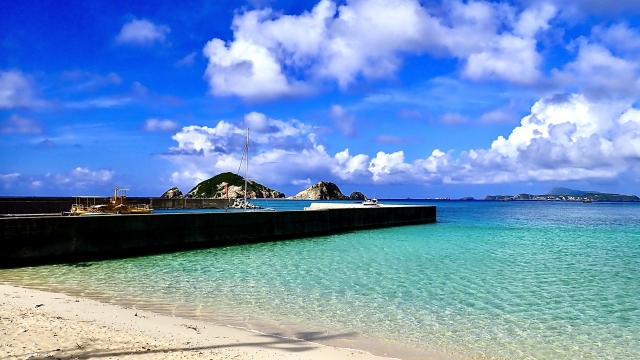
The Kerama Islands, located about 40 km west of Okinawa’s main island, are renowned for their extraordinary marine biodiversity and visibility. The waters around the islands are so clear that they’re nicknamed “Kerama Blue.” The islands, including Tokashiki, Zamami, and Aka, are especially popular for snorkeling, diving, and whale watching (humpback whales can be seen in winter). The pristine beaches, coral reefs, and relaxed island atmosphere make the Keramas a tropical paradise.
Cape Manzamo (Okinawa Main Island)
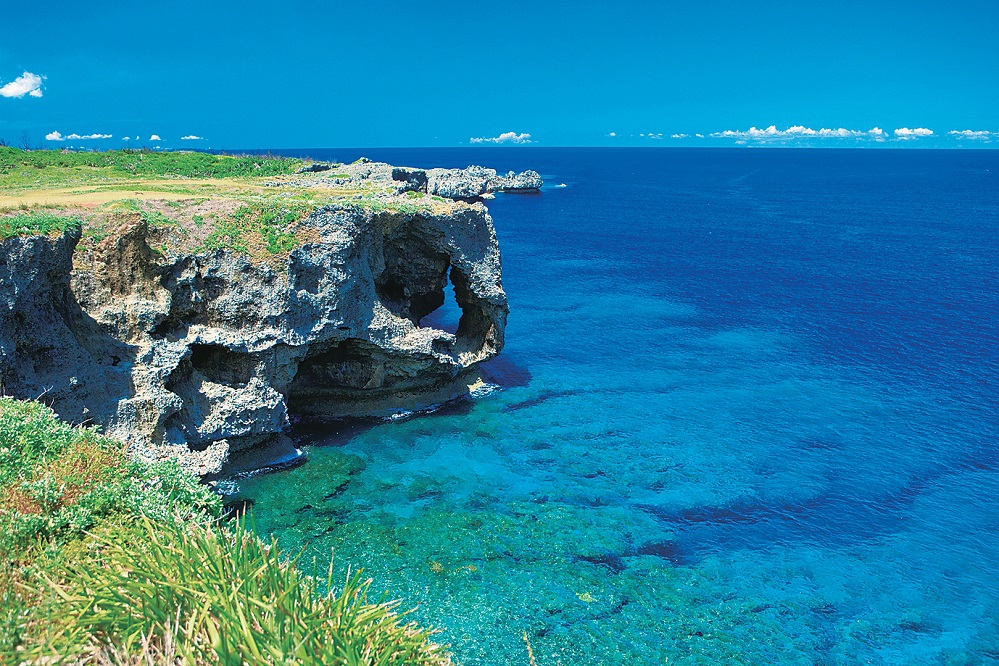
Cape Manzamo is a scenic coastal cliff on Okinawa’s main island, famous for its dramatic elephant trunk-shaped rock formation. The name “Manzamo” means “a field wide enough for 10,000 people to sit,” reflecting its vast grassy plateau. Visitors come for the breathtaking views of the East China Sea, especially at sunset, when the sky glows behind the rugged cliffs. It’s a popular stop along the western coast of Okinawa, often combined with beach visits or drives.
From north to south, Japan offers a stunning variety of landscapes that change with the seasons, each revealing a different facet of the country’s beauty. Whether you dream of majestic mountains, tranquil gardens, or pristine coastlines, these breathtaking views invite you to experience Japan for yourself and create unforgettable memories.

comment