Tsurugaoka Hachimangu is one of Kamakura’s most important cultural and historical landmarks—a grand Shinto shrine that has shaped the city for more than 800 years. For travelers exploring Kamakura’s temples, beaches, and traditional streets, this shrine is an essential stop. Its sweeping staircase, bright vermilion architecture, seasonal festivals, and serene lotus ponds make it a place where history and spirituality blend beautifully with nature. Whether you are interested in samurai history, Japanese culture, or photography, Tsurugaoka Hachimangu offers a deep and memorable experience.
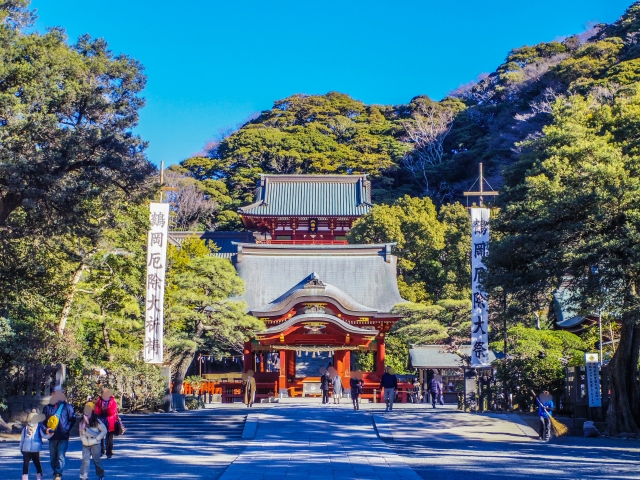
Nestled in the heart of Kamakura, Tsurugaoka Hachimangu is a sacred shrine where history, culture, and calm beauty come together. As you walk through its grand torii gates and climb its iconic stone steps, the spirit of ancient Japan unfolds before you.
A Shrine Built by the Samurai
Tsurugaoka Hachimangu was established in 1063 and later expanded by Minamoto no Yoritomo, the founder of the Kamakura shogunate. When Yoritomo chose Kamakura as the political center of Japan in the late 12th century, he placed this shrine at the city’s heart. The shrine is dedicated to Hachiman, the Shinto god of war and the divine protector of the samurai.
Because of this connection, Tsurugaoka Hachimangu is not just a religious site but a symbol of Japan’s samurai era. Walking through the shrine grounds feels like stepping back into the time when Kamakura was the capital of a military government and a vital center of power.
The Impressive Approach: Dankazura
One of the most iconic features of Tsurugaoka Hachimangu is the Dankazura, a raised pathway lined with cherry trees. This long, straight approach begins near Kamakura Station and leads all the way to the shrine.
In spring, the cherry blossoms arch over the walkway, creating a pink tunnel that attracts visitors from all over the world. In autumn, the trees turn warm shades of red and gold. Walking along the Dankazura is more than a simple stroll—it’s a symbolic journey toward the shrine and its rich history.
The Grand Staircase and the Main Shrine
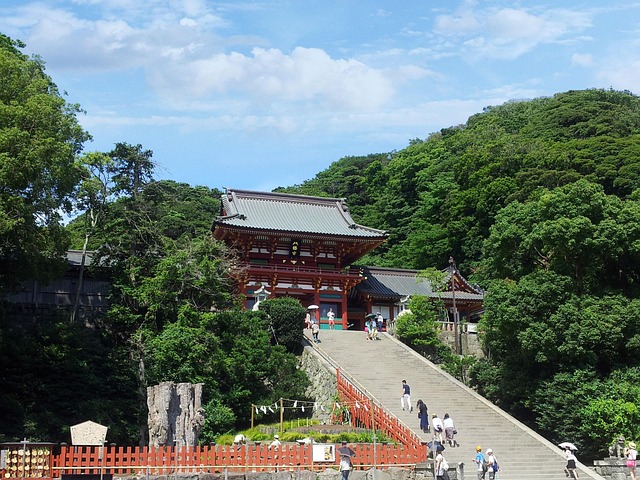
As you enter the shrine grounds, you’ll see the large stone staircase leading up to the Main Hall (Hongū). Climbing these steps offers a beautiful view of the city behind you. At the top, the bright vermilion shrine stands elegantly against the backdrop of Kamakura’s green hills.
Inside the Main Hall, worshippers pray for success, safety, and good fortune. Although the inner sanctuary is not open to the public, the outside architecture is stunning and photogenic from every angle.
Ponds, Bridges, and Peaceful Gardens
The lower grounds of Tsurugaoka Hachimangu are known for their tranquil atmosphere. The Genji Pond and Heike Pond, each symbolizing rival samurai clans, are surrounded by walking paths, small shrines, and seasonal flowers. In summer, lotus blossoms cover the ponds, creating a beautiful scene that feels uniquely Japanese.
Nearby, the Maiden Stage, a ceremonial wooden platform, hosts traditional dance and music performances during festivals.
Festivals and Seasonal Events
Tsurugaoka Hachimangu is famous for its exciting and traditional festivals. If you visit during these times, you can experience Japanese culture in a lively, authentic way.
Yabusame (Horseback Archery)
Held in April and September, the Yabusame Ritual features archers in traditional samurai clothing riding horses at full speed while shooting arrows at targets. This event attracts many visitors and is one of the most dynamic cultural experiences in Kamakura.
New Year’s Celebrations
From January 1st to 3rd, millions of people visit the shrine for Hatsumode, the first prayer of the new year. The atmosphere is festive, with food stalls, traditional omikuji fortunes, and people praying for good luck.
Chrysanthemum Festival
In autumn, the shrine hosts displays of carefully cultivated chrysanthemums—Japan’s national flower—arranged into artistic patterns and shapes.
The Museum and Cultural Exhibits
For travelers interested in history, the Tsurugaoka Hachimangu Museum of National Treasures is worth a visit. It displays samurai armor, swords, ancient documents, and ceremonial artifacts related to the shrine and its long history. The exhibits provide insight into the spiritual and political life of the Kamakura period.
Easy Access From Tokyo
One of the reasons Kamakura is so popular is its convenience. Tsurugaoka Hachimangu is only about a 10–15 minute walk from JR Kamakura Station, which is easily reached from Tokyo on the JR Yokosuka or Shonan-Shinjuku Line. This makes the shrine an ideal part of a day trip from the city.
Tips for Visitors
- Go early to avoid crowds, especially on weekends and during cherry blossom season.
- The shrine grounds are large—wear comfortable walking shoes.
- Photography is allowed outdoors but may be restricted in certain inner areas.
- Combine your visit with nearby attractions such as Komachi Street, Hasedera Temple, and the Great Buddha for a fuller Kamakura experience.
Why Tsurugaoka Hachimangu Belongs on Your Japan Itinerary
Tsurugaoka Hachimangu is more than just a shrine. It is the spiritual center of Kamakura and a place where nature, history, and culture come together beautifully. From samurai legends to seasonal charm, from vibrant festivals to peaceful gardens, the shrine offers something for every traveler. Whether you’re visiting Japan for its culture, photography, or historical depth, Tsurugaoka Hachimangu is a destination that will leave a lasting impression.