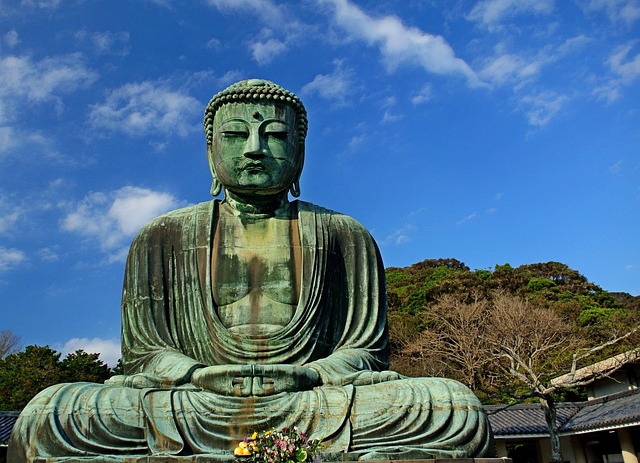
Among all the historic sights in Kamakura, the Great Buddha of Kamakura, located at Kōtoku-in Temple, stands as one of Japan’s most impressive and beloved landmarks. Known in Japanese as Kamakura Daibutsu, this monumental bronze statue has watched over the coastal town for nearly eight centuries. For international travelers exploring Japan’s ancient culture, craftsmanship, and spiritual heritage, the Great Buddha is a must-see.
Standing peacefully under the open sky, the Great Buddha of Kamakura welcomes visitors with a calm presence that has endured for centuries. This iconic bronze statue is not only a symbol of Japanese Buddhism, but also a timeless highlight of any trip to Kamakura.
A Monument with Deep History
The statue was constructed in the mid-13th century (around 1252) during the Kamakura period, a time when Buddhism, particularly the Pure Land (Jōdo) tradition, flourished. Originally, the statue sat inside a grand temple hall. However, a series of natural disasters—including a powerful tsunami and typhoons—destroyed the building. Since the 15th century, the Great Buddha has sat in the open air, giving it the majestic atmosphere visitors admire today.
Impressive Size and Craftsmanship
Standing approximately 13.35 meters (44 feet) tall and weighing about 121 tons, the Kamakura Daibutsu is the second-largest bronze Buddha in Japan. Its serene expression, slightly downcast eyes, and graceful posture reflect the artistic mastery of the era. Despite centuries of exposure to wind, rain, and salty sea air, the statue has remained remarkably preserved thanks to skilled casting techniques and periodic restoration.
A Peaceful Spiritual Atmosphere
Visitors often describe the atmosphere around the Buddha as calm and contemplative. Surrounded by trees, stone paths, and gentle breezes from the nearby coastline, the site offers a moment of quiet reflection. Although Kōtoku-in is a Buddhist temple, travelers of all backgrounds are welcome to explore the grounds, step inside the main gate, and view the Buddha from different angles.
An interesting feature for many visitors is the opportunity—on certain days—to enter the interior of the statue. Inside, you can see the unique construction methods and layered bronze plates that form the Buddha’s body.
Visiting the Temple
Kōtoku-in is located in western Kamakura, not far from the coastline. The temple is easily accessible by train and bus from central Kamakura, and many travelers choose to combine a visit with nearby attractions such as Hasedera Temple or the scenic Yuigahama Beach.
- Entrance fee: inexpensive (usually around 300 JPY)
- Opening hours: generally from morning to late afternoon
- Best time to visit: early morning or weekday afternoons for fewer crowds
Photography and Surroundings

The open-air setting makes the Great Buddha especially photogenic. Whether bathed in bright sunlight, surrounded by cherry blossoms in spring, or framed by colorful foliage in autumn, the statue offers stunning views in every season. The peaceful temple grounds also feature stone lanterns, small halls, and traditional wooden architecture.
A Symbol of Kamakura’s Legacy
The Great Buddha is more than a tourist attraction—it represents Japan’s long history of Buddhist devotion, artistic achievement, and spiritual peace. For travelers visiting Kamakura, standing before the Daibutsu is a powerful moment that connects past and present.
Whether you’re interested in history, photography, spirituality, or simply exploring one of Japan’s most iconic cultural treasures, the Kamakura Great Buddha is a destination that should be at the top of your list.