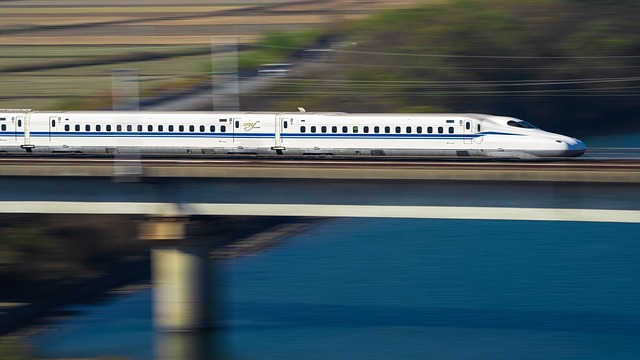
Nikko, located in Tochigi Prefecture, is one of Japan’s most popular day-trip and overnight destinations from Tokyo. Famous for its UNESCO World Heritage Sites such as Nikko Toshogu Shrine, Futarasan Shrine, and Rinnoji Temple, as well as scenic spots like Kegon Falls and Lake Chuzenji, Nikko offers a mix of cultural history and natural beauty. For international travelers, getting to Nikko is straightforward, but there are several options depending on budget, speed, and comfort. This guide explains the best ways to reach Nikko from Tokyo, including train, bus, and car options, along with approximate costs.
Explore Nikko’s shrines, waterfalls, and lakes—easy from Tokyo! 🌿✨
From Tokyo to Edo-era history and natural beauty—welcome to Nikko! 🏯🍁
1. By Train: The Most Popular and Convenient Option
Trains are the easiest and most common way to reach Nikko from Tokyo. There are several routes depending on which station you depart from and whether you use a limited-express train.
a) Tobu Railway – Direct Option
For travelers using Tobu Railway, the trip starts from Asakusa Station in Tokyo. Tobu Railway operates direct limited-express trains called SPACIA that go to Tobu-Nikko Station in about 2 hours.
- Cost:
- Standard adult one-way fare: approx. 2,700–2,900 JPY for a non-reserved seat
- Reserved seat on SPACIA limited-express: + approx. 520 JPY
- How it works:
- Tickets can be purchased at Tobu Asakusa Station, through ticket machines, or online using Tobu Japan Trip Tickets (English-friendly digital service).
- The direct limited-express train is comfortable, with reclining seats, luggage space, and onboard toilets.
- Pros: Fast, scenic, and direct. Good for day trips.
- Cons: Only departs from Asakusa, not central Tokyo stations like Tokyo or Shinjuku.
b) JR East – From Tokyo Station or Shinjuku
JR East offers routes using the Shinkansen and limited-express combination.
- Route 1:
- Take the JR Tohoku Shinkansen from Tokyo Station to Utsunomiya Station (approx. 50 minutes).
- Transfer to the JR Nikko Line to Nikko Station (approx. 45 minutes).
- Route 2:
- Take Shinkansen from Tokyo or Ueno, then transfer at Utsunomiya for Nikko Line.
- Cost:
- Tokyo → Utsunomiya (Shinkansen, unreserved seat): 5,000–5,500 JPY
- Utsunomiya → Nikko (Nikko Line): approx. 1,300 JPY
- Total: 6,300–6,800 JPY one-way
- Pros: Available from multiple Tokyo stations; can use Japan Rail Pass if you have one.
- Cons: Transfers required; more expensive than Tobu Railway.
c) Tips for Train Travelers
- Buy tickets in advance if possible, especially for reserved seats on SPACIA trains or Shinkansen.
- Digital passes like Tobu Japan Trip Tickets make it easier for foreign visitors.
- Both Tobu-Nikko Station and JR Nikko Station are within walking distance of Nikko’s main shrines.
2. By Bus: Budget-Friendly and Direct
Buses offer a convenient option if you prefer no transfers.
- Route:
- Direct highway buses depart from Tokyo Station, Shinjuku Station, and sometimes Asakusa to Nikko Station or the Kinugawa Onsen area.
- Time: Approx. 2.5–3 hours depending on traffic.
- Cost: Approx. 2,500–3,000 JPY one-way
- Pros: Direct; good if you want to travel from central Tokyo without transfers.
- Cons: Longer travel time during rush hour; less flexibility than trains.
3. By Car: Flexible but Costly
Driving from Tokyo to Nikko is an option for travelers who enjoy road trips and flexibility.
- Route:
- Take Tohoku Expressway toward Utsunomiya, then follow local roads to Nikko. Approx. 150 km from central Tokyo.
- Time: Around 2–3 hours, depending on traffic and road conditions.
- Cost:
- Toll roads: approx. 3,000–4,000 JPY one-way
- Gas: approx. 2,000–3,000 JPY for one-way trip
- Pros: Flexible schedule; convenient for groups or visiting surrounding areas like Lake Chuzenji.
- Cons: Expensive, requires GPS, and parking can be limited in peak tourist season.
4. Combination Options for Sightseeing
Many travelers combine transportation methods to maximize sightseeing:
- Train + Bus
- Take the train to Nikko Station, then local buses to Kegon Falls, Lake Chuzenji, or Ryuzu Falls.
- Bus fare: 200–500 JPY per trip.
- Tobu Pass + Express Tickets
- Use Tobu Nikko Pass or All-Area Pass for round-trip fares from Asakusa, including local bus access around Nikko.
- Example cost: 4,520–5,500 JPY for a one-day pass.
- Convenient for travelers who want to visit multiple sites without buying separate tickets.
5. Tips for International Travelers
- Language: Tobu Railway and JR stations have English signs; staff at major stations often speak basic English.
- Timing: Weekends and holidays can be crowded; consider leaving Tokyo early.
- Luggage: Both train lines and buses have storage areas; large luggage may require additional fees on Tobu SPACIA trains.
- Combination sightseeing: Nikko’s shrines, Kegon Falls, and Lake Chuzenji are best explored using a combination of walking and local buses.
Summary Table of Travel Options
| Transport | Approx. Time | Approx. Cost | Pros | Cons |
|---|---|---|---|---|
| Tobu Railway SPACIA | 2 hrs | 2,700–3,400 JPY | Direct, scenic, comfortable | Limited departure station (Asakusa) |
| JR Shinkansen + Nikko Line | 1 hr 45 min | 6,300–6,800 JPY | Available from central Tokyo, covered by JR Pass | Transfer required, more expensive |
| Highway Bus | 2.5–3 hrs | 2,500–3,000 JPY | Direct, simple | Slower, traffic-dependent |
| Car | 2–3 hrs | 5,000–7,000 JPY (toll+gas) | Flexible, private | Expensive, parking limited |
Conclusion
Traveling from Tokyo to Nikko is convenient, with multiple options suited to different budgets and preferences.
- For speed and comfort: Tobu SPACIA or JR Shinkansen + Nikko Line.
- For budget travelers: Highway buses or Tobu Nikko Pass.
- For flexible trips or group travel: Car rental.
No matter which option you choose, the journey from Tokyo to Nikko offers scenic views and easy access to one of Japan’s most beautiful historical destinations. Planning ahead and understanding the transport options will make your trip smooth, enjoyable, and stress-free.
comment