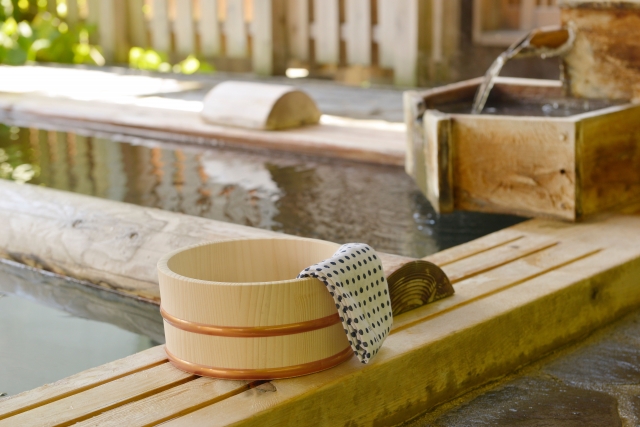
Nikko is famous for its breathtaking shrines, waterfalls, and mountain scenery, but one of its greatest treasures is found a little farther into the hills—its incredible hot spring areas. For travelers who love Japan’s nature, culture, and peaceful escapes, the Nikko region offers some of the most atmospheric onsen towns in eastern Japan. Surrounded by forests, steaming baths, and traditional inns, these hot springs give visitors a chance to slow down and experience the quiet charm of rural Tochigi.
Below are the most popular onsen areas near Nikko, each with its own history, personality, and scenery.
Mind, body, soul—rejuvenate at a Nikko onsen today🌸
Wake up to mountain views and end the day in a relaxing onsen🌲♨️
- 1. Kinugawa Onsen — Easy Access & Perfect for First-Timers
- 2. Yumoto Onsen — A Quiet Hot Spring Village Inside Nature
- 3. Chuzenji Onsen — Hot Springs with Lake and Mountain Views
- 4. Kawaji Onsen — Rustic Charm & Historical Ambience
- 5. Yunishigawa Onsen — Traditional Culture and Snow Illumination
- Choosing the Right Onsen Near Nikko
- Tips for Overseas Travelers
- Conclusion
1. Kinugawa Onsen — Easy Access & Perfect for First-Timers
Just a short train ride from central Nikko, Kinugawa Onsen is one of the region’s most famous hot spring towns. Located along the Kinugawa River, the town is lined with large resort hotels, classic ryokan, and public bathhouses that make it ideal for beginners and families.
Highlights
- Wide selection of hotels: from budget-friendly lodges to luxurious ryokan
- River views from outdoor baths that change with the seasons
- Easy transportation from Asakusa via Tobu Railway
- Attractions nearby, including Edo Wonderland and Tobu World Square
Kinugawa Onsen is perfect for travelers who want comfort and convenience without traveling deep into the mountains. It’s also welcoming for those who prefer modern-style rooms or private baths.
2. Yumoto Onsen — A Quiet Hot Spring Village Inside Nature
Located deep inside Nikko National Park near Lake Yunoko, Yumoto Onsen is one of the most peaceful and atmospheric hot spring areas in eastern Japan. Its history dates back to the 8th century, when Buddhist monks discovered its healing waters.
Why It’s Special
- Known for milky white sulfur hot springs
- Surrounded by mountains, hiking trails, and marshlands
- Small, cozy inns perfect for slow travel
- Open-air baths with strong natural mineral content
The entire village feels like a hidden retreat. In winter, steam rises from the springs while snow blankets the ground—an unforgettable scene for travelers who love quiet, dramatic landscapes.
3. Chuzenji Onsen — Hot Springs with Lake and Mountain Views
Next to Lake Chuzenji and at the foot of Mt. Nantai, Chuzenji Onsen offers some of the best lake views in all of Japan. After exploring Nikko’s shrines and climbing the Irohazaka winding road, travelers can soak in open-air baths overlooking the sparkling water.
Top Features
- Lake-view outdoor baths in several hotels and ryokan
- Easy access to attractions such as Kegon Falls
- Relaxed, calm atmosphere perfect for sunset soaking
- Cool mountain climate, especially refreshing in summer
Because Chuzenji is located at a high elevation, the air is crisp even in August. It’s a wonderful escape for those seeking nature, photography, and hot springs in one place.
4. Kawaji Onsen — Rustic Charm & Historical Ambience
A bit further down the valley from Kinugawa lies Kawaji Onsen, a smaller and more traditional hot spring village famous for its quiet atmosphere. Kawaji has been used by travelers since ancient times and retains a timeless charm.
Appeal of Kawaji
- Fewer crowds compared to Kinugawa
- Hot springs known for relaxation and improving circulation
- Many ryokan feature classic Japanese-style baths
- A great choice for travelers who want an authentic local experience
With fewer tourist attractions and more focus on pure relaxation, Kawaji Onsen is perfect for those who want to disconnect from daily life.
5. Yunishigawa Onsen — Traditional Culture and Snow Illumination
Hidden in the mountains north of Kawaji, Yunishigawa Onsen is known not only for its hot springs but also for its connection to the history of the Heike clan. Visitors can experience that heritage through traditional thatched-roof houses and cultural festivals.
What Makes Yunishigawa Unique
- Beautiful scenic river baths
- Kamakura Snow Festival in winter with magical illuminations
- Quiet, deep-mountain atmosphere
- Traditional meals like irori-style charcoal-grilled dishes
This is one of the most atmospheric onsen towns in winter, perfect for travelers who want both culture and nature.
Choosing the Right Onsen Near Nikko
Each hot spring area offers something different. Here’s a quick guide:
- Kinugawa Onsen → Best for beginners, families, and easy access
- Yumoto Onsen → Best for nature lovers and those who want healing sulfur baths
- Chuzenji Onsen → Best for scenic views and lakeside relaxation
- Kawaji Onsen → Best for quiet, traditional stays
- Yunishigawa Onsen → Best for cultural experiences and winter magic
No matter which one you choose, you’ll experience the calming power of Japanese onsen culture.
Tips for Overseas Travelers
- Many ryokan offer private baths, perfect if you’re unsure about public bathing.
- Tattoos are accepted at some facilities—always check ahead.
- Bring cash, as small inns may not accept credit cards.
- Guesthouses near Nikko are popular—reserve early during autumn or holidays.
Conclusion
The area around Nikko is not just a place for temples and waterfalls—it’s a region filled with some of Japan’s most memorable hot spring towns. Whether you’re seeking convenience, scenic beauty, healing waters, or deep cultural history, these onsen areas offer a perfect retreat for your Japan journey.
Relax, breathe in the mountain air, and enjoy a side of Japan that feels timeless.
comment