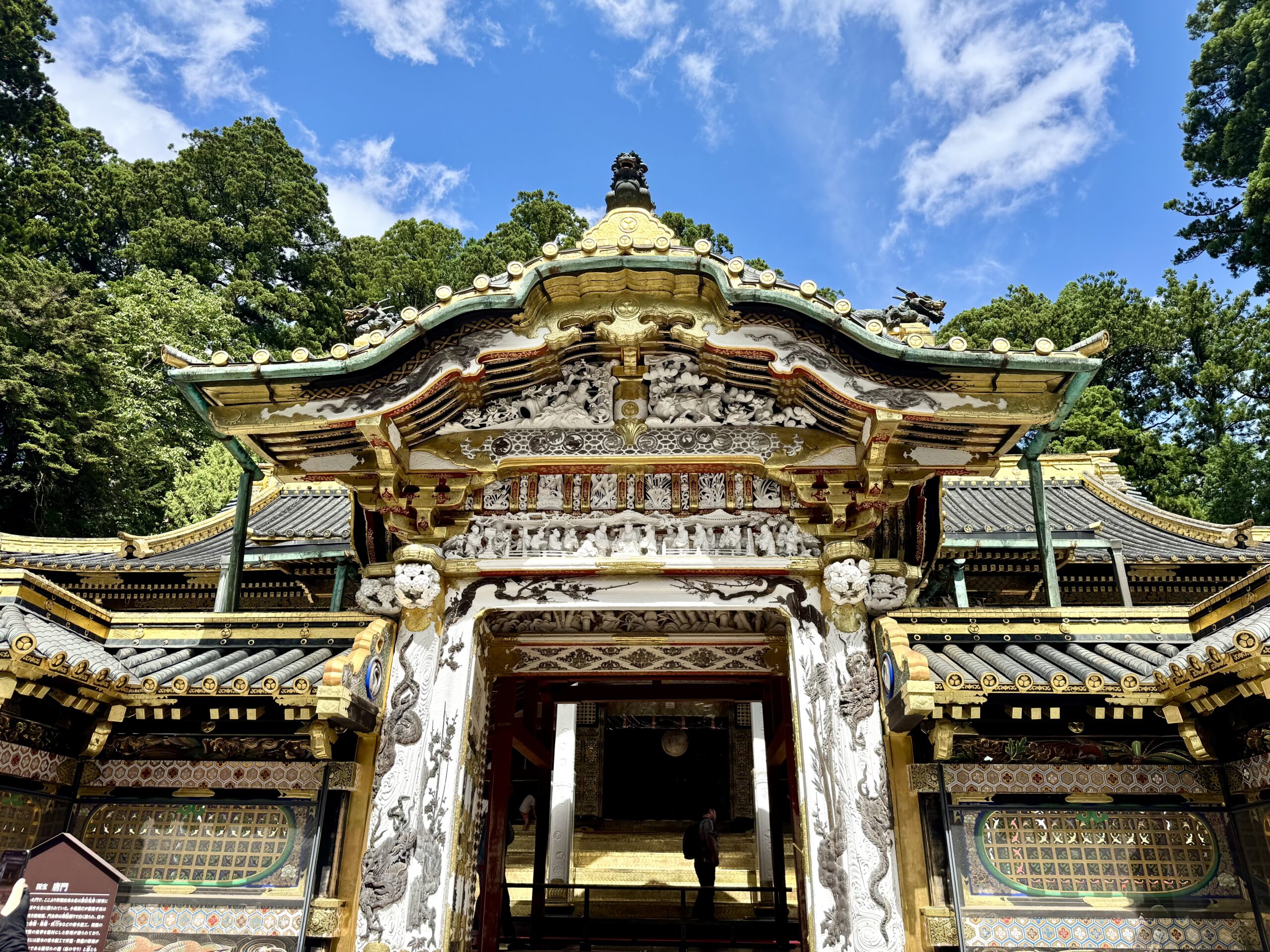
Hidden within the deep cedar forests of Tochigi Prefecture, Nikkō Tōshō-gū stands as one of Japan’s most magnificent and culturally significant landmarks. As the final resting place of Tokugawa Ieyasu—the founder of the Tokugawa shogunate—this UNESCO World Heritage Site blends grand architecture, spiritual symbolism, and centuries of craftsmanship. For travelers visiting Japan, a trip to Nikkō is not complete without stepping into the ornate world of Tōshō-gū, where every structure, carving, and pathway tells a story of Japan’s past.
History in gold, nature in green—welcome to Nikkō Tōshō-gū.
Ready for a trip back in time? Visit Nikkō Tōshō-gū and feel the spirit of old Japan come alive.
A Shrine That Rewrote Japanese Architecture
Originally built in 1617, Nikkō Tōshō-gū began as a modest mausoleum. However, after Ieyasu’s grandson, Tokugawa Iemitsu, expanded and renovated the site in 1636, it transformed into one of the most elaborate shrines in Japan. While most Shinto shrines favor simplicity and natural colors, Tōshō-gū is strikingly different. Nearly every building is decorated with vivid colors, gold leaf, and intricate wood carvings. This bold, artistic style is known as Gongenzukuri, a unique architectural form that blends aesthetics with spiritual meaning.
As you wander through the complex, you will notice a fusion of Shinto and Buddhist elements, reflecting the historical era when the two religions coexisted harmoniously. The result is a truly unique spiritual environment—one that feels at once sacred, powerful, and artistically extravagant.
The Famous “Three Wise Monkeys”
One of Tōshō-gū’s most iconic carvings is the set of Three Wise Monkeys:
“See no evil, hear no evil, speak no evil.”
Carved on the sacred stable building, these monkeys symbolize moral teachings and the innocence of youth. While many travelers recognize this image from global pop culture, few know its origins are tied to Nikkō. The carving is part of a larger eight-panel story illustrating the stages of human life. It’s a charming yet profound reminder of how ancient values continue to shape Japanese culture.
Yomeimon Gate: The Gate of the Setting Sun
Often considered one of Japan’s most beautiful architectural achievements, Yomeimon Gate is a masterpiece of craftsmanship. Adorned with more than 500 small carvings—from mythical creatures to wise sages and tiny flowers—it is overwhelming in detail. The name “Gate of the Setting Sun” reflects its beauty; locals say you could stare at it until the sun sets without becoming bored.
Each carving serves a symbolic purpose. Some represent protection, others knowledge or virtue. The entire structure is meant to convey peace, prosperity, and the power of the Tokugawa shogunate. Standing before the gate, travelers often feel they have stepped into a realm suspended in time.
The Sleeping Cat and the Sakashitamon Gate
Another beloved carving is the famous Nemuri-neko, or “Sleeping Cat,” sculpted by the master artist Hidari Jingorō. At first glance, it seems simple—a cat curled up in sleep. However, behind it lies a deeper meaning. The cat represents peace, while the sparrows carved nearby symbolize harmony. In other words, the land is so calm under Tokugawa rule that even natural enemies can coexist peacefully.
Passing beneath the Sleeping Cat leads you to a long stone staircase ascending through a quiet forest. This path takes you to the actual mausoleum of Tokugawa Ieyasu, set in a serene and sacred atmosphere far removed from the ornate gates below. The silence of this area is striking and deeply moving, offering a powerful contrast to the vibrant architecture of the main complex.
A Blend of Nature and Spirituality
Beyond its historical and artistic treasures, Tōshō-gū is embraced by towering cedar trees, some centuries old. Their height creates a natural canopy that filters sunlight, adding a mystical glow to the pathways. During early mornings or late afternoons, soft rays of light sweep across the moss-covered stones, giving the shrine a dreamlike quality.
In autumn, the surrounding forests explode into fiery shades of red and gold, creating one of the most breathtaking scenes in Japan. Winter brings another kind of magic, with light snow dusting the gates and rooftops, turning the shrine into a tranquil spiritual refuge.
Rituals and Festivals
Tōshō-gū remains an active shrine with important ceremonies carried out throughout the year. The most famous is the Grand Spring and Autumn Procession (Hyakumonozoroe Sennin Gyōretsu), where more than a thousand participants dressed as samurai reenact the transportation of Tokugawa Ieyasu’s spirit. The sight of armor-clad warriors marching through the ancient forest is unforgettable and offers visitors a rare glimpse into Japan’s feudal history.
A Journey Through Japanese Legacy
Visiting Nikkō Tōshō-gū is more than a sightseeing experience. It is a step into one of the most influential chapters of Japanese history. Tokugawa Ieyasu’s leadership brought about over 250 years of peace, known as the Edo period. Tōshō-gū was built not only to honor him but to inspire future generations with values of stability, harmony, and prosperity.
Every corner of the shrine reflects these ideals—whether through symbolic carvings, grand architectural balance, or the peaceful forest surrounding the complex. Travelers often leave Nikkō with a sense of connection to Japan’s spiritual roots and a deeper appreciation for its artistic legacy.
Tips for Travelers
- Access: The shrine is about two hours from Tokyo via Tobu Railway or JR lines.
- Tickets: A combination ticket is available to enter all major buildings.
- Best Time to Visit: Autumn for foliage, winter for peaceful snowy scenery, or early morning any time of year.
- What to Wear: Comfortable walking shoes; there are many stone steps.
- Nearby Attractions: Rinno-ji Temple, Futarasan Shrine, Kegon Falls, and Lake Chūzenji make great additions to a day trip.
Conclusion
Nikkō Tōshō-gū is one of Japan’s most enchanting destinations. Its extraordinary architecture, spiritual depth, and natural surroundings make it a perfect addition to any traveler’s itinerary. Whether you come for history, art, or the peaceful forest atmosphere, the shrine invites you to slow down, reflect, and experience Japan’s cultural heart in its purest form.


comment