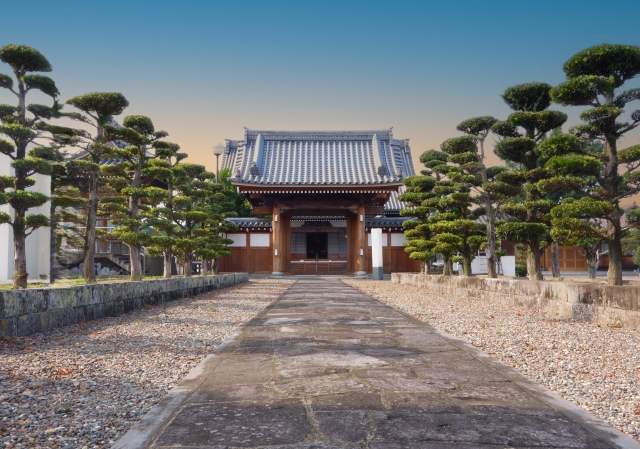
In Japan, the transition from one year to the next—known as toshikoshi—is one of the most significant cultural moments of the year. While many countries celebrate New Year’s Eve with fireworks and lively countdown parties, Japan’s approach blends quiet reflection, gratitude, and spiritual renewal. The season is filled with customs that emphasize starting the year with a clear mind, harmonious relationships, and hopeful intentions.
A Season of Preparation and Purification
The New Year, or Oshōgatsu, is considered so important that preparations begin well before December 31. Homes are carefully cleaned in a practice called ōsōji, a symbolic reset that removes the “dust” of the past year. This act is not merely about tidiness; it reflects the belief that a clean environment welcomes good fortune and fresh energy.
Families may also decorate their entrances with kadomatsu—arrangements of pine, bamboo, and plum branches that invite divine spirits—and hang shimenawa, sacred ropes that signify purity and protection.
December 31: A Night of Calm Reflection
Unlike the festive chaos seen in many Western countries, Japanese New Year’s Eve tends to be calm and contemplative. Families gather to watch traditional television programs, share warm meals, and quietly wait for midnight.
A quintessential dish of this evening is toshikoshi soba, buckwheat noodles eaten to “cross over” into the new year. The long, slender noodles are believed to symbolize longevity, while the ease with which they can be cut represents letting go of hardship.
Another cherished tradition is Joya no Kane, the ringing of temple bells. As midnight nears, Buddhist temples across Japan strike their bells 108 times. According to Buddhist belief, these resonate with the 108 earthly desires that lead to human suffering. Hearing the rhythmic, meditative tolls is meant to cleanse one’s heart and mind before the new year begins.
January 1: A Fresh Start Full of Good Fortune
The true celebration begins on January 1, known as Ganjitsu. On this day, people greet one another with “Akemashite omedetō gozaimasu,” wishing happiness for the year ahead.
Families enjoy a special New Year’s meal called osechi-ryōri. Presented in lacquered boxes called jūbako, these colorful dishes each carry symbolic meaning: black soybeans for hard work and health, herring roe for prosperity and family growth, sweet rolled omelets for auspiciousness, and much more. Alongside this meal, many drink otoso, a spiced sake believed to ward off illness.
Another important practice is hatsumōde, the first shrine or temple visit of the year. Millions of people across Japan visit sacred sites during the first few days of January to express gratitude, draw omikuji (fortune slips), and purchase new protective charms. Despite the crowds, the atmosphere remains peaceful, united by shared hopes for the year to come.
Cultural Symbols of Renewal
The New Year period is also marked by the sending and receiving of nengajō, traditional greeting postcards. These cards, delivered precisely on January 1 thanks to Japan’s postal system, are a way to strengthen social ties and express appreciation.
Children, meanwhile, look forward to receiving otoshidama—New Year’s gift money carefully placed in decorative envelopes.
A Celebration Rooted in Reflection
Japanese New Year traditions highlight not only festivity but mindfulness. Whether through the soft resonance of temple bells, the simplicity of soba noodles, or the heartfelt wishes exchanged among family and friends, the season encourages people to pause, appreciate the past, and embrace a renewed spirit.
In a world that often moves quickly, Japan’s approach to the New Year offers a gentle reminder: the most meaningful transitions begin with gratitude, harmony, and a quiet moment of reflection.


comment